




The Belongside Families website is not compatible with Internet Explorer. Please use a modern browser such as Chrome, Firefox, Edge, or Safari for the best experience.
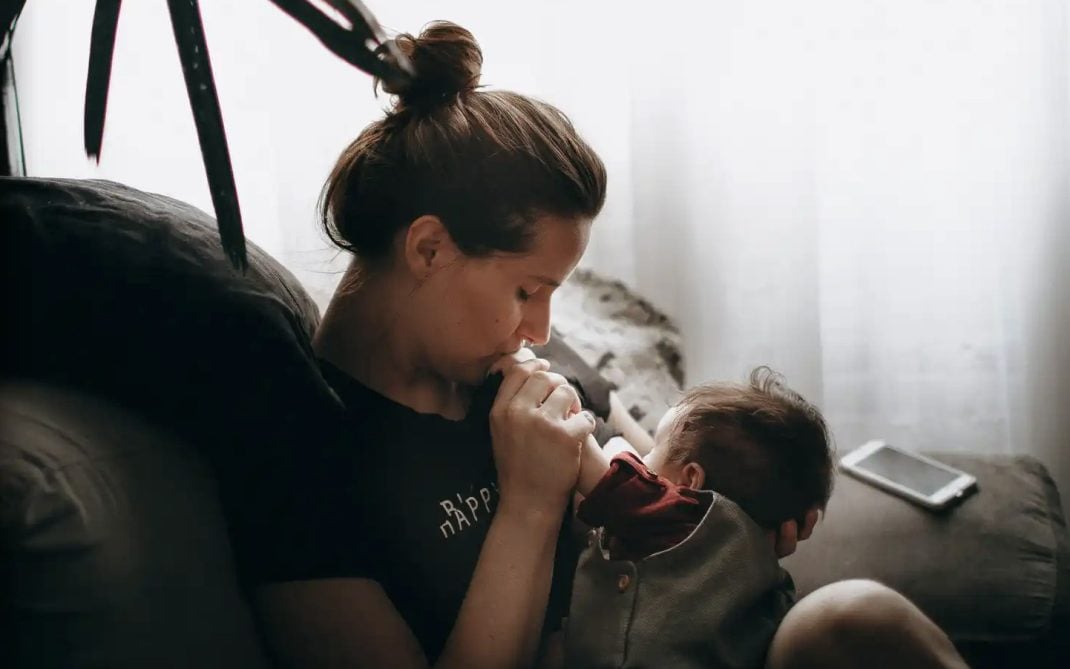
Caring for a child with complex medical, developmental, cognitive, or emotional needs is emotionally demanding in ways that are often invisible.
For many parents and carers, life becomes shaped by appointments, vigilance, paperwork, therapy plans, funding systems, and constant decision-making. Even on easier days, the mental load rarely switches off. Yet
the emotional toll of complex care is often overlooked — by systems, professionals, and sometimes even by parents themselves.
This article explores what that toll looks like and how parents can begin to care for themselves alongside caring for their child. It draws on insights shared by psychologist and parent Jess Gowans during Belongside Families webinar
When the diagnosis changes everything
For many families, the emotional journey begins with a diagnosis, or the realisation that care will be ongoing, complex, and different from what they expected.
This complexity may be medical, developmental, cognitive, emotional, or layered across all of these. Whether anticipated or not, this moment often brings intense and conflicting emotions:
- shock or numbness
- grief for the future you imagined
- fear and uncertainty about what lies ahead
- guilt or self-blame
- anger, frustration, or powerlessness
These reactions are not signs of poor coping. They are normal responses to major life change.
Many parents experience what’s known as living or anticipatory grief – grieving not a single loss, but the repeated losses of expectations, milestones, ease, or certainty. This grief can resurface again and again at different stages, even years into your caring journey.
Why complex care is so exhausting
Complex care doesn’t end. It happens every day.
Parents often describe:
- never fully switching off
- constantly scanning for risk
- thinking ten steps ahead
- carrying sole responsibility others don’t see
- Navigating multiple systems at once
Over time, this can lead to chronic stress, emotional fatigue, and burnout.
Many parents also experience:
- social isolation as friendships drift or feel hard to maintain
- identity loss, where “parent” becomes replaced by “carer”
- relationship strain with partners who cope differently
- financial pressure from reduced work or unpaid care
- resentment or guilt about resenting the situation
These experiences are common, even though they’re rarely talked about.
In Australia, over 300,000 parents are primary carers of a child or young person with disability, most providing more than 20 hours of care per week, often on top of paid work and parenting other children
Burnout is not failure
Burnout is a real risk of long-term complex care.
It may appear as emotional numbness, irritability, difficulty concentrating, deep exhaustion, or a sense of having nothing left to give.
Burnout does not reflect a lack of love or resilience. It signals that demands have outpaced available support.
This is not an individual failing, it is a systemic one.
You can still be the parent you hoped to be
Many parents quietly grieve the loss of the parent they imagined themselves being.
When parenting becomes shaped by systems, risk, and relentless responsibility, it can feel as though values, identity, and joy have been pushed aside. But those values don’t disappear — they adapt.
Being the parent you hoped to be may now look like:
- advocating fiercely instead of stepping back
- finding joy in small, meaningful moments
- learning your child’s strengths more deeply
- celebrating connection over milestones
- modelling self-compassion, not perfection
You are not parenting instead of who you thought you’d be. You are parenting within reality, with courage and love.
What can grow alongside the strain
Complex care is exhausting — and it can also shape strengths over time.
Some families notice:
- deeper relationships
- stronger advocacy skills
- increased confidence and adaptability
- clearer values and priorities
These outcomes do not erase grief or hardship. They sit alongside it. Both can exist at once.
Building resilience without putting more pressure on yourself
Resilience isn’t about “staying strong” or being positive all the time. It’s about having enough internal and external support to keep going.
Some gentle, realistic foundations include:
1. Naming and allowing your feelings
Grief, anger, guilt, sadness, love — they can all coexist.
Nothing is “wrong” with how you feel.
2. Reducing isolation
Peer support, especially from parents who get it, is one of the protective factors against burnout
3. Focusing on what you can control
Not everything is fixable. But routines, boundaries, self-talk, and asking for help often are.
4. Supporting your nervous system
Simple grounding strategies such as breathing, movement, moments of pleasure, help regulate stress over time.
5. Watching for warning signs
Changes in sleep, eating, substance use, or emotional numbness are signs it may be time for extra support.
When professional support matters
Sometimes peer connection and self-care aren’t enough, and that’s okay.
If you feel overwhelmed, stuck, or emotionally depleted, speaking with your GP or a mental health professional can help. In Australia, many parents are eligible for Medicare-funded mental health support, including psychologists experienced in perinatal and caregiving stress.
Seeking support isn’t a sign of failure, it’s a protective step for you and your family.
Explore further support
At Belongside Families, as parents ourselves, we know how overwhelming this journey can be. We provide parents and carers with free, peer-led programs grounded in lived experience, because no one should have to carry this alone.
- Watch The Emotional Toll of Complex Care Webinar.
Join the Belongside Community – a private Facebook group which is a safe space to ask question and seek guidance from a supportive community who understand.
- Join the High Medical Needs Community – a supportive space for parents of children with disability and high medical needs. It’s a place to share experiences, offer encouragement, and connect with families who understand the realities of frequent hospital stays, daily care routines, and complex medical supports. It’s a safe and supportive space that focuses on sharing lived experience-not medical advice.
Join a peer group – free weekly online groups where parents and carers can connect, share, and feel supported by others who are walking a similar path.