



The Belongside Families website is not compatible with Internet Explorer. Please use a modern browser such as Chrome, Firefox, Edge, or Safari for the best experience.
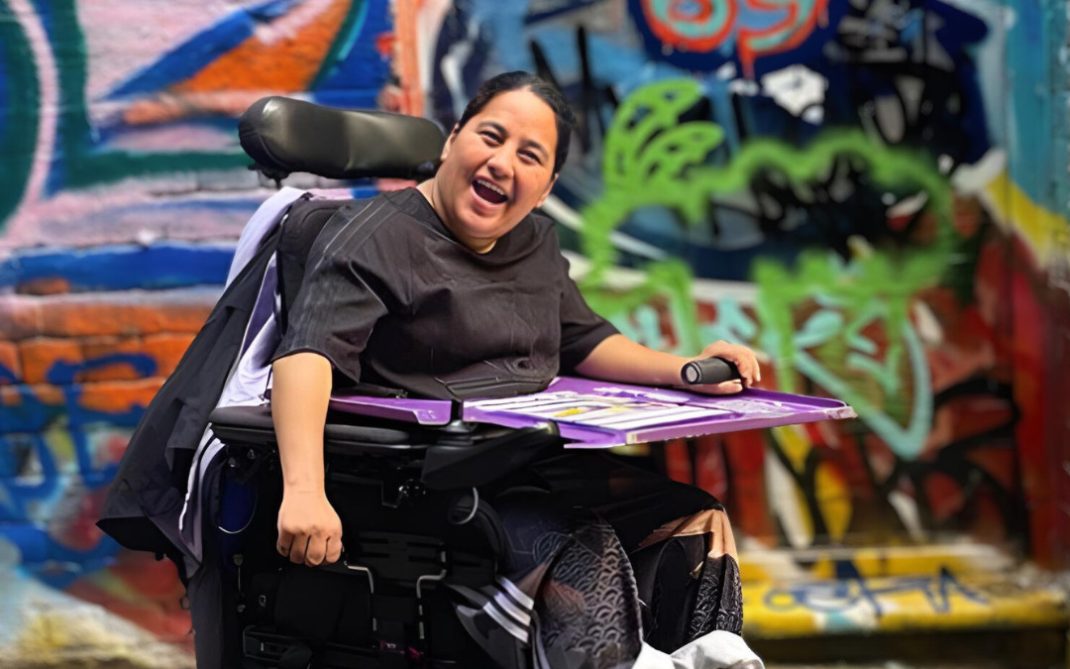
The importance of supporting your child’s voice and independence as they grow.
When I was fifteen, a senior education official told my mother that I did not need to attend my own education planning meeting. They explained—kindly, professionally—that the adults would be discussing the “important things” and that I might not understand. They reassured her that it was not necessary to “worry” me with the details of my own education.
What they were really saying was this:
We know what’s best for your child.
Thankfully my mother did not accept that answer—not then, and not when I was much younger either.
If you are parenting a young child with a disability, you may already be encountering this message in quieter, more subtle ways. It might come from doctors who speak over your child’s head. Therapists who talk to you instead of them. Educators who assume your child’s role is to comply, not participate. You may be told, gently or firmly, that your child is “too young,” “too fragile,” or “not ready” to be involved in decisions that affect their own body, learning, or daily life.
These messages are usually well-intentioned. They are often framed as protection. But over time, they remove something essential: your child’s sense of belonging in their own life.
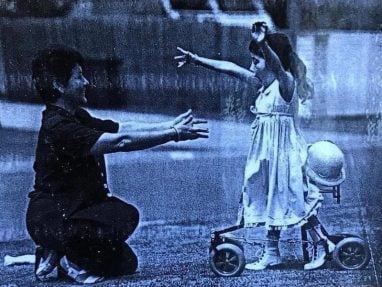
I am non-verbal and have a physical disability. From an early age, many adults assumed that meant I did not understand, could not choose, and could not meaningfully participate. My mother rejected that assumption. She believed that disability does not take away who a person is.
Independence and agency are important skills that help us make choices and have a say in our own lives. Sometimes we make the right decisions, and sometimes we don’t, but each experience gives us an opportunity to learn and grow.
When adults pause and wait for a response instead of rushing ahead.
These moments may seem small, especially in homes full of appointments, therapies, and medical decisions. But they matter. They teach a child something important and lasting: My preferences matter. I am worth listening to.
From the beginning, I was raised with the same expectations as my brother. Disability did not mean exemption from responsibility, effort, or consequence. Choice was normal in our house. Decisions were discussed, not dictated. I was asked what I thought, what I wanted, what I felt ready for—and my answers mattered. Even when expressing them took time. Even when they complicated the process.
This did not mean my mother was hands-off. Far from it. She was attentive, involved, and fierce when she needed to be. But she understood the difference between safety and control. She knew her role was not to permanently hold the steering wheel of my life, but to gradually teach me how to use it myself.
Predictable, supported choices help to build a child’s confidence.
Mistakes are part of this process. They are not something to fear.
Mistakes are not evidence that a child cannot handle autonomy. Mistakes are how autonomy is learned. Every child—disabled or not—needs the chance to choose incorrectly, feel disappointment, and try again. A wrong choice, a moment of frustration, or a small failure is not harm. It is practice.
Shielding a child from every challenge does not make them safer. It makes them less prepared.
As a parent, this can be deeply uncomfortable. You may already feel the weight of needing to protect your child from a world that is not always kind or accessible. It can feel safer to step in, to decide, to manage everything on their behalf. Sometimes that is necessary. But when protection becomes an automatic response, overtime it quietly limits growth.
As I grew older, my mother continued to involve me in decisions—at home, in therapy, and at school. By the time I was a teenager, attending my own education meetings felt normal. That confidence did not appear suddenly. It was built over years of being included, respected, and trusted.
Parents are often told to wait. Wait until your child is older. More verbal. More capable. More “ready.”
But readiness is not something children reach on their own. It develops through experience.
You do not have to hand over the steering wheel all at once. In the early years, you are still the co-pilot. You set boundaries. You create structure. You ensure safety. But even now, you can begin asking important questions:
- Where can I let my child make choices?
- Am I speaking for them when they could speak for themselves?
- Am I giving them time to answer, or am I rushing?
Loving a child means believing their voice matters today, not just in the future.
When we listen, we show them they are valued, respected, and safe to speak.
My mother raised me to be a participant in my own life. Because she trusted me early—because she involved me before the world thought I was “ready”—I grew into an adult who knows her voice matters.
This belief does not suddenly emerge in adolescence or adulthood.
It is formed much earlier, in childhood.
It is shaped when adults choose to wait rather than assume.
When communication— even when slower or different — is recognised as valid.
When children are invited into decisions, even when it would be quicker for adults to decide alone.
This is where it begins.
And it begins with you.
About Marlena
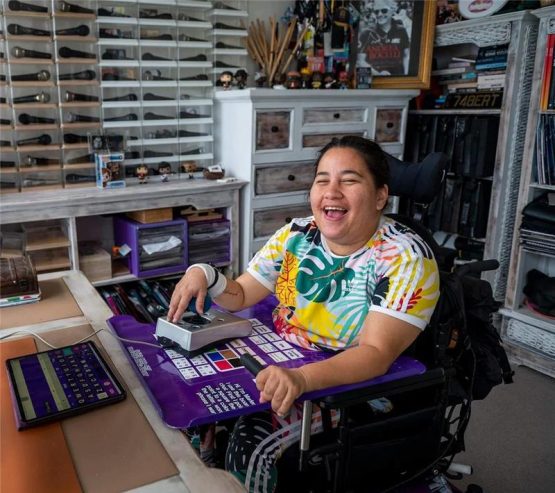
Marlena Katene is Australia’s most unique entertainment journalist. Having Cerebral Palsy Marlena communicates via an ABC Board and iPad. After completing her Bachelor of Communications degree Marlena has been blessed to interview a wide range of people ranging from Ed Sheeran, Robbie Williams and even the Dalia Lama. While her journalism focuses mainly on music she also has written on other issues and freelance writes for a variety of magazines. Apart from her journalism work, Marlena is an avid traveller and adventure seeker. In 2016 she became the first person in the world with Cerebral Palsy to Base jump, achieving this feat by jumping off the 421 meter KL Tower in Malaysia. Addicted to travelling she is always seeking the next adventure and place to explore.