




The Belongside Families website is not compatible with Internet Explorer. Please use a modern browser such as Chrome, Firefox, Edge, or Safari for the best experience.
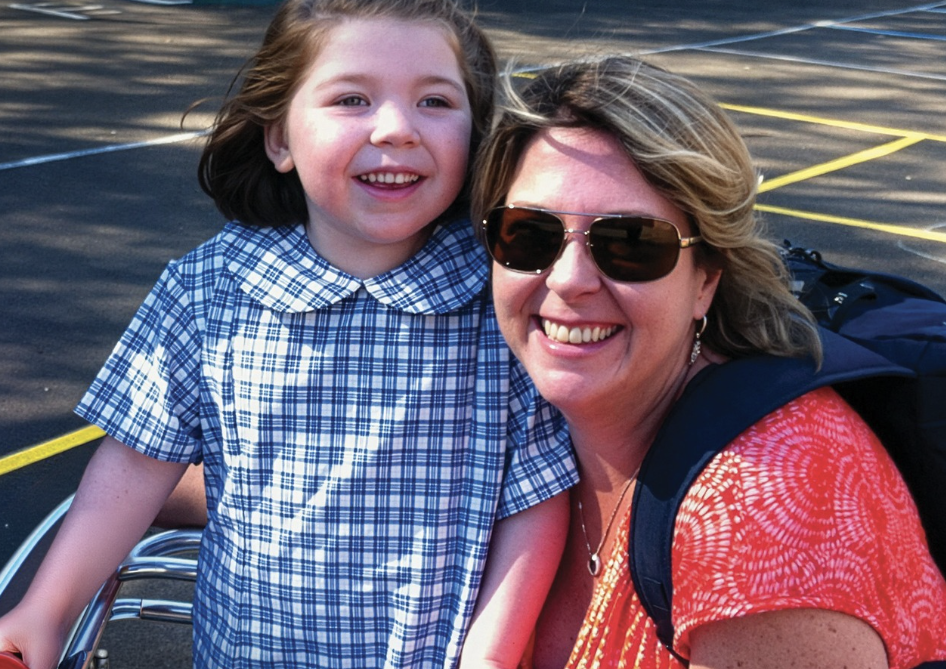
Supporting your child at school can feel confusing and overwhelming, especially when you’re trying to understand how the system works while also making sure your child feels safe, included and supported.
That’s why we created Navigating School. The guide brings together practical information and tips from other families to help you understand what to expect and feel more confident supporting your child at school. You’ll also find a digital toolkit with templates, scripts and worksheets you can use as you work with your child’s school.
Navigating School Guide
Whether you’re preparing for your child to start school, trying to understand what support is available, getting ready for a meeting or working through a concern, the guide is here to help.
It covers:
- how schools support students with disability
- how decisions about support are made
- how to prepare for meetings with schools
- ways to work in partnership
- what to do if things aren’t working or you have concerns
- where to find additional support and advocacy
Digital Toolkit
The digital toolkit sits alongside the guide and gives you 11 practical templates, scripts and worksheets you can use when preparing for conversations, communicating with the school, or reflecting on what to do next.
Click on the sections below to access each tool. You don’t need to use them all at once – choose what is helpful for your situation. Or you can access the full digital toolkit here.
Helpful Links
Throughout the guide, we’ve linked to a range of helpful websites, services and resources.
Here, you’ll find all of those links in one place, organised by each section of the guide so you can easily find what you need.
Acknowledgement
We are deeply grateful to the parents, carers and people with disability who generously shared their experiences, insights and practical advice. These contributions informed the development of this guide, shaping its content and ensuring it reflects real experiences and practical insight.
This resource was proudly made possible through the Peer Support and Capacity Building (PSCB) grant for the NDIS.